English 12A1 · Speaking

Ecosystem

“In nature, nothing exists alone.”

— Rachel Carson

Explain situations, give instructions. Explore how living things depend on one another — then explain what is happening in an ecosystem and tell others exactly what to do about it.

Vocabulary pronunciation uses your device’s English voice.

3D illustration of a glass globe containing a rainforest with waterfalls above a coral reef full of tropical fish

Ecosystem Quiz

Work in pairs. Choose the best answer — then check the fact behind it.

1. Which ecosystem is often called the “rainforest of the sea”?

2. What is the world’s largest mangrove forest?

3. Which plant is an invasive species in the Mekong Delta?

4. If predators disappear from an ecosystem, what usually happens to prey?

5. Which of these is an apex predator in Vietnam’s forests?

Guess the Word

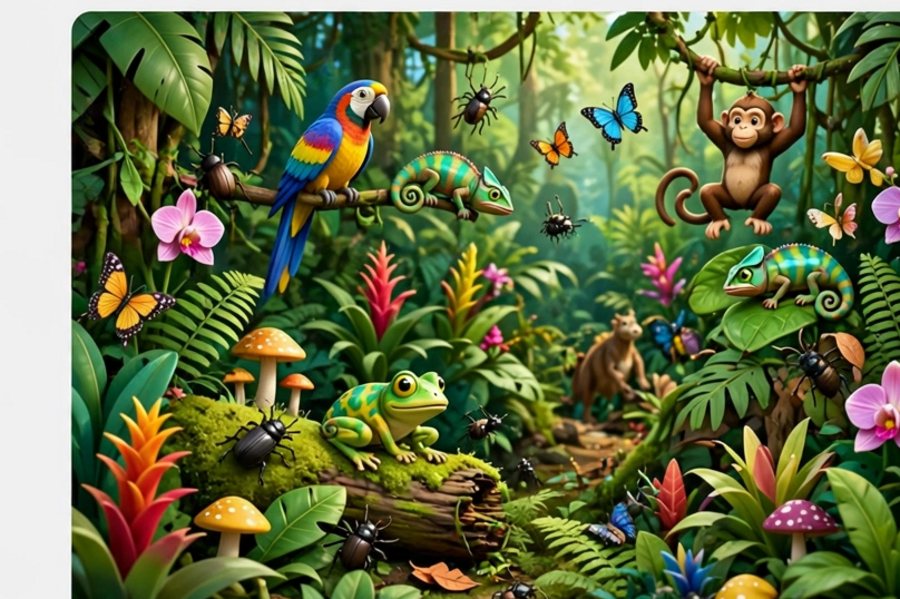
Study the picture clue, guess the term, then flip the card to check the word, its meanings and pronunciation.

Picture clue: a rich variety of plants, animals and insects living together in a rainforestTap to reveal the termbiodiversity/ˌbaɪəʊdaɪˈvɜːsəti/ (noun)The variety of plant and animal life in a particular habitat or in the world.đa dạng sinh họcCollocations: rich biodiversity · protect biodiversity“Vietnam is famous for its rich biodiversity, from dense jungles to vibrant coral reefs.”
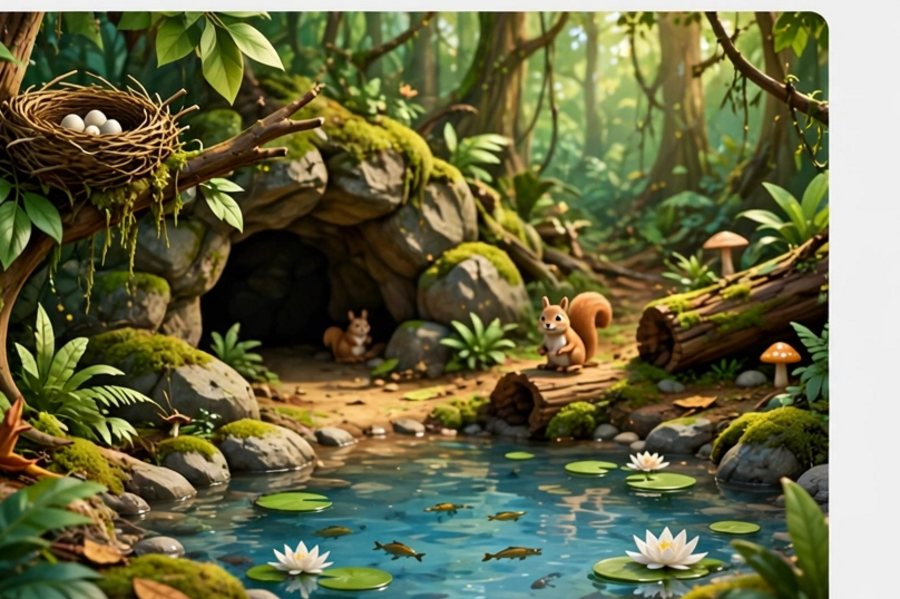
Picture clue: animals living in their natural forest environmentTap to reveal the termhabitat/ˈhæbɪtæt/ (noun)The natural environment in which a plant or animal normally lives.môi trường sốngCollocations: natural habitat · destroy habitats“Logging is destroying the natural habitats of countless species.”

Picture clue: a tiger hunting in the wildTap to reveal the termpredator/ˈpredətə/ (noun)An animal that hunts, kills and eats other animals.động vật săn mồiCollocation: apex predator“As an apex predator, the tiger keeps the forest ecosystem in balance.”
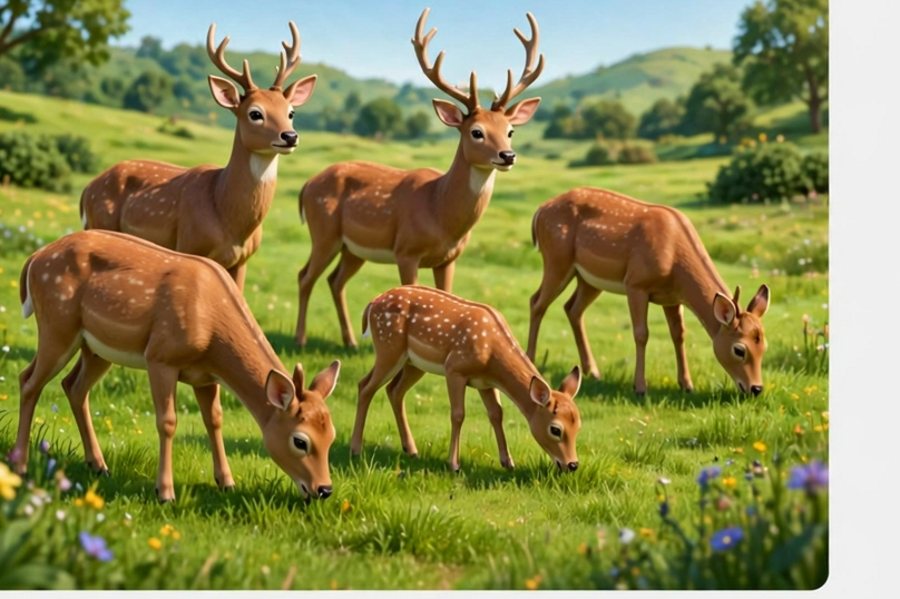
Picture clue: a deer grazing nervously while being watched by a hunter animalTap to reveal the termprey/preɪ/ (noun)An animal that is hunted, killed and eaten by another animal.con mồiCollocation: fall prey to“Without predators, deer overpopulate and fall prey to disease.”
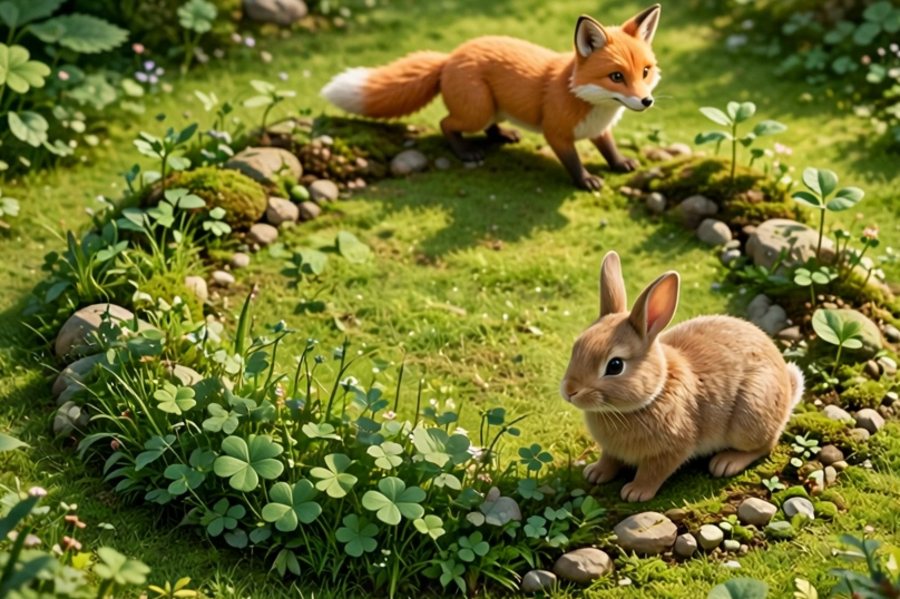
Picture clue: a sequence of living things, from plants to small animals to a top hunter, each eating the one beforeTap to reveal the termfood chain/ˈfuːd tʃeɪn/ (noun)A series of living things in which each one eats the one below it in the series.chuỗi thức ănCollocation: disrupt the food chain“Removing a single species can disrupt the entire food chain.”
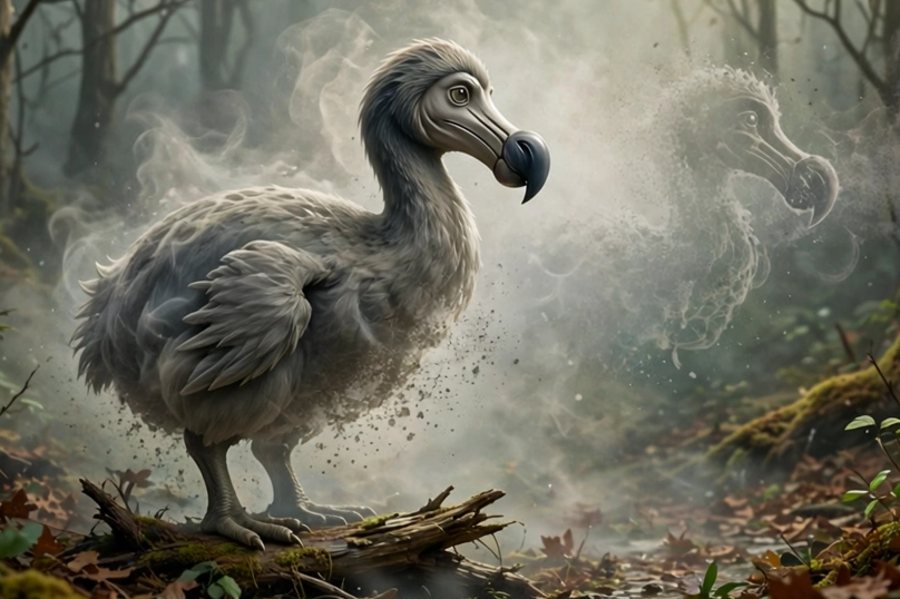
Picture clue: a rare animal fading away as its species disappearsTap to reveal the termextinction/ɪkˈstɪŋkʃn/ (noun)The dying out of a species so that it no longer exists anywhere.sự tuyệt chủngCollocation: on the brink of extinction“The saola is on the brink of extinction in the Annamite Range.”

Picture clue: people protecting wildlife and releasing a sea turtle back into the oceanTap to reveal the termconservation/ˌkɒnsəˈveɪʃn/ (noun)The protection of the natural environment and of wildlife.sự bảo tồnCollocations: wildlife conservation · conservation efforts“Conservation efforts have helped sea turtles return to Con Dao beaches.”
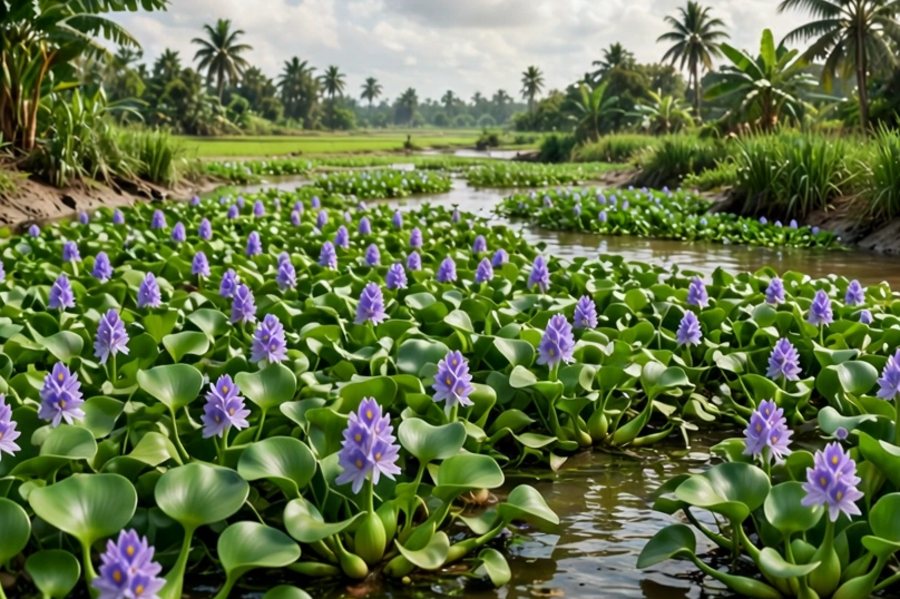
Picture clue: water hyacinth spreading rapidly and covering the surface of a canalTap to reveal the terminvasive species/ɪnˈveɪsɪv ˈspiːʃiːz/ (noun)A species that spreads into a new area and harms the native ecosystem.loài xâm lấnCollocation: control invasive species“Water hyacinth is an invasive species clogging the Mekong Delta’s canals.”

Quick check

1. Which of the following is the best definition of biodiversity?

2. In the sentence “Pollution is driving the saola to the brink of extinction,” the phrase on the brink of extinction is closest in meaning to…

3. Which sentence uses prey correctly?

4. When a key predator is removed, the whole ______ can collapse, because prey populations grow unchecked.

5. Which collocation is correct?

6. Water hyacinth, originally from South America, now spreads so fast in Vietnamese rivers that it is considered a(n) ______.

Speaking Strategies

Two toolkits for today: explain what is happening, then tell people exactly what to do.

Explaining a Situation

Giải thích tình huống

  • “The reason why … is that …”
  • “This can be explained by the fact that …”
  • “What is happening here is that …”
  • “In other words, …”

Giving Instructions

Đưa ra hướng dẫn

  • “The first step is to …”
  • “Make sure (that) you …”
  • “It’s essential to …”
  • “Avoid + V-ing …”
  • “Remember to …”

Put them together

First explain the situation: “What is happening here is that the pond is losing oxygen, and this can be explained by the fact that algae is covering the surface.” Then give instructions: “The first step is to remove the algae. Make sure you wear gloves, and remember to work in teams.”

Guided Practice

In pairs: explain the situation first, then give clear instructions. Try before you peek at the suggested ideas.

Practice 1

Coral bleaching in Phu Quoc

The coral reefs near Phu Quoc are bleaching — turning white and dying.

Your task: explain why this is happening, and give instructions on what tourists should and shouldn’t do.

Suggested ideas

Explain: “What is happening here is that rising sea temperatures are stressing the coral. The reason why the reefs are turning white is that, when the water gets too warm, the coral expels the tiny algae living inside it — and those algae are its main food source. In other words, the coral is slowly starving.”

Instruct: “If you visit Phu Quoc, remember to use reef-safe sunscreen. Make sure you never touch, kick or stand on the coral, and avoid buying coral souvenirs. It’s essential to keep a respectful distance so the reef has a chance to recover.”

Practice 2

Water hyacinth in your hometown

Water hyacinth is covering the canals in your hometown, blocking boats and killing fish.

Your task: explain the situation, and give instructions for organising a community clean-up day.

Suggested ideas

Explain: “The reason why the canals are blocked is that water hyacinth grows extremely fast in nutrient-rich water. What is happening here is that this invasive species covers the surface, blocks sunlight and depletes oxygen, so fish and native plants die.”

Instruct: “To organise a clean-up day, the first step is to form teams and assign each team one section of the canal. Make sure everyone wears gloves and boots. Avoid throwing the plants back into the water — collect them in bags and compost them instead. Remember to record how much you remove, so the commune can plan the next round.”

Production

Role-play in pairs. Use at least three target words and both speaking strategies.

Role-play 1

Save the Mangroves

A resort developer wants to clear a mangrove forest to build a beach resort.

Goal: negotiate a solution that lets the project change — without destroying the mangrove ecosystem.

Student A · Environmental officer

Explain the ecosystem situation — what the mangroves do for the coast, the fish and the local people — and give instructions for a sustainable alternative.

Student B · Resort developer

You need beachfront land for your resort and jobs for local workers. Question the officer’s claims, then negotiate for a workable compromise.

Arguments

Officer: Mangroves are a nursery habitat where young fish and shrimp grow before moving to the sea; their roots protect the coast from erosion and storms; they store huge amounts of carbon. “The first step is to build behind the mangrove belt, not through it. Make sure the design keeps a green corridor, and remember to replant every tree the project removes.” Eco-tourism boardwalks can earn more than a cleared beach.

Developer: The resort brings jobs and income; tourists expect direct beach access; the budget is limited. Ask: How wide must the protected belt be? Who pays for replanting? Can a smaller, greener resort still attract guests?

Role-play 2

The School Eco-Club Campaign

The school pond ecosystem is dying: algae covers the water, fish are gasping, and rubbish lines the banks.

Goal: the club leader must persuade a skeptical classmate to join the clean-up campaign.

Student A · Eco-club leader

Explain why the pond ecosystem is dying and give step-by-step instructions for the clean-up campaign this Saturday.

Student B · Skeptical classmate

You doubt the campaign will work. Raise objections and make the leader prove the plan is realistic.

Arguments

Leader: “The reason why the fish are dying is that algae and rubbish deplete the pond’s oxygen. What is happening here is that the pond’s small food chain is collapsing.” Instructions: “The first step is to register at the club table. Make sure you bring gloves; avoid stepping into the deep end; remember to sort the rubbish for recycling.”

Skeptic: It will just get dirty again in a month. Nobody else cares. Saturday is for resting, not for collecting rubbish. What difference can one morning make, anyway?

Homework

Video Vlog Assignment

Record a 2-minute vlog.

Explain one ecosystem problem in the Mekong Delta and give clear instructions on what local people should do to help.

Remember

Use at least 4 vocabulary words and 2 speaking strategies from today’s lesson.